Best Teas for Beginners: Your Complete Starter Guide
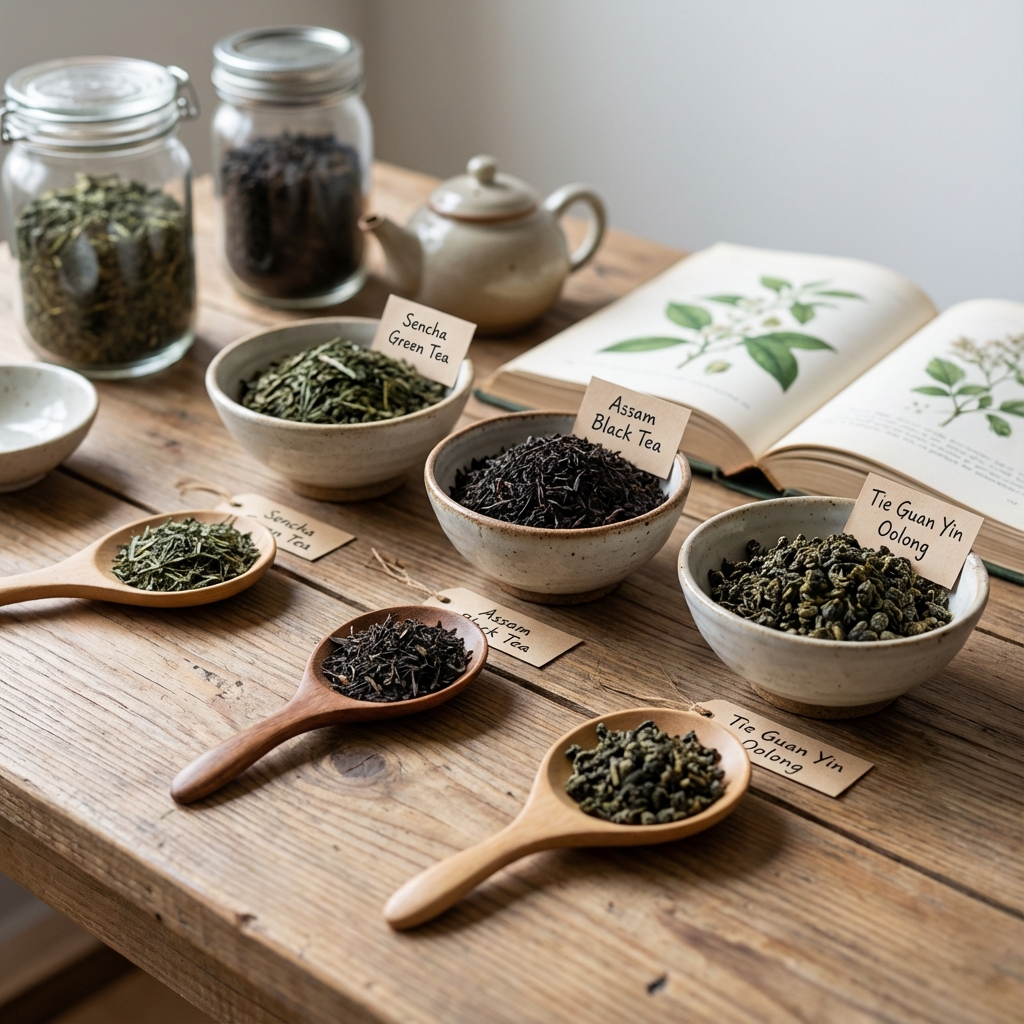
Starting your tea journey can feel overwhelming. With thousands of varieties from dozens of countries, where do you even begin? Don't worry - we've curated the perfect starter list to help you discover what you love.
Why Start with Tea?
Tea is more than just a beverage. It's a moment of calm in a busy day, a ritual that connects you to centuries of tradition, and a surprisingly diverse world of flavors waiting to be explored. Unlike coffee, tea offers a gentler caffeine experience and an incredible range of taste profiles - from sweet and floral to bold and malty.
The 7 Best Teas for Beginners
1. English Breakfast (Black Tea)
Why it's great for beginners: If you've ever had tea at a restaurant or hotel, you've probably had English Breakfast. It's the familiar, approachable gateway to quality tea.
- Flavor profile: Bold, malty, slightly sweet
- Caffeine level: High (similar to coffee)
- Best time to drink: Morning or early afternoon
- How to brew: 200-212°F (93-100°C) for 3-5 minutes
Pro tip: Try it with a splash of milk and honey to start, then gradually reduce additions to taste the tea itself.
2. Jasmine Green Tea
Why it's great for beginners: The floral jasmine scent makes this tea incredibly inviting. It's aromatic, smooth, and forgiving even if you over-steep slightly.
- Flavor profile: Floral, sweet, refreshing
- Caffeine level: Moderate
- Best time to drink: Afternoon
- How to brew: 175°F (80°C) for 2-3 minutes
Pro tip: The scent is half the experience - take a moment to enjoy the aroma before sipping.
3. Earl Grey
Why it's great for beginners: The distinctive bergamot flavor (citrus oil) makes Earl Grey instantly recognizable and memorable. It's like black tea wearing a fancy hat.
- Flavor profile: Citrusy, aromatic, sophisticated
- Caffeine level: High
- Best time to drink: Morning or afternoon
- How to brew: 200-212°F (93-100°C) for 3-4 minutes
Pro tip: Earl Grey makes an excellent iced tea. Cold brew it overnight for a refreshing summer drink.
4. Chamomile (Herbal Tea)
Why it's great for beginners: Chamomile is naturally caffeine-free and has a gentle, honey-like sweetness. It's the perfect evening tea to help you unwind.
- Flavor profile: Honey-sweet, floral, calming
- Caffeine level: None
- Best time to drink: Evening or before bed
- How to brew: 200°F (93°C) for 5-7 minutes
Pro tip: Herbal teas are very forgiving - you can steep them longer without bitterness.
5. Oolong (Tie Guan Yin)
Why it's great for beginners: Tie Guan Yin is a light, floral oolong that bridges the gap between green and black tea. It's complex enough to be interesting but approachable enough for newcomers.
- Flavor profile: Floral, creamy, orchid-like
- Caffeine level: Moderate
- Best time to drink: Afternoon
- How to brew: 185-205°F (85-96°C) for 2-3 minutes
Pro tip: This tea can be re-steeped 5-7 times, with each steep revealing new flavors.
6. Peppermint (Herbal Tea)
Why it's great for beginners: Fresh, invigorating, and naturally sweet, peppermint tea is hard not to love. It's also great for digestion after meals.
- Flavor profile: Cool, minty, refreshing
- Caffeine level: None
- Best time to drink: After meals or evening
- How to brew: 200°F (93°C) for 5-7 minutes
Pro tip: Add a touch of honey to enhance the natural sweetness.
7. Sencha (Japanese Green Tea)
Why it's great for beginners: Sencha is Japan's most popular tea, offering a vegetal, umami-rich flavor that's unlike anything else. It's an eye-opening experience.
- Flavor profile: Grassy, vegetal, slightly sweet
- Caffeine level: Moderate
- Best time to drink: Morning or afternoon
- How to brew: 160-170°F (70-75°C) for 1-2 minutes
Pro tip: Temperature is crucial for Sencha. Too hot, and it becomes bitter. Use water that's cooled for 2-3 minutes after boiling.
Essential Tips for Tea Beginners
Temperature Matters More Than You Think
The single biggest mistake beginners make is using boiling water for all teas. Here's a quick guide:
| Tea Type | Temperature | Why |
|---|---|---|
| Black tea | 200-212°F (93-100°C) | Can handle high heat |
| Oolong tea | 185-205°F (85-96°C) | Varies by oxidation level |
| Green tea | 160-180°F (70-80°C) | Delicate leaves scorch easily |
| White tea | 160-185°F (70-85°C) | Very delicate |
| Herbal tea | 200-212°F (93-100°C) | Not technically tea - can take heat |
Timing is Everything
Over-steeping is the second most common mistake. A perfect tea can become bitter and undrinkable with just an extra minute of steeping. Always use a timer!
Start with Quality Loose Leaf
Tea bags are convenient, but they often contain lower-quality tea that doesn't represent what tea can really taste like. Invest in some quality loose leaf tea - you'll immediately taste the difference.
Keep a Tea Journal
Note what you try and what you think. Recording the tea name, brewing parameters, and your impressions helps you understand your preferences faster.
Using Steep for Perfect Brews Every Time
Getting temperature and timing right is crucial, but remembering all these details for different teas can be challenging. That's exactly why we built the Steep app.
Steep guides you through the perfect brewing process for every tea type:
- Built-in tea profiles with precise temperatures and times
- Apple Watch support so you can time your tea hands-free
- Live Activities show your brew progress right on your Lock Screen
- Custom presets to save your personal preferences
Whether you're brewing your first cup of chamomile or experimenting with Tie Guan Yin, Steep ensures you get perfect results every time.
Download Steep on the App Store
Your Next Steps
Ready to start your tea journey? Here's what we recommend:
- Pick 2-3 teas from this list that sound appealing
- Buy small quantities until you know what you like
- Download Steep to help you brew them correctly
- Experiment and explore - there's no wrong way to enjoy tea
The world of tea is vast and rewarding. Whether you become a casual sipper or a devoted enthusiast, it all starts with that first perfect cup.
Happy brewing!
Related Articles
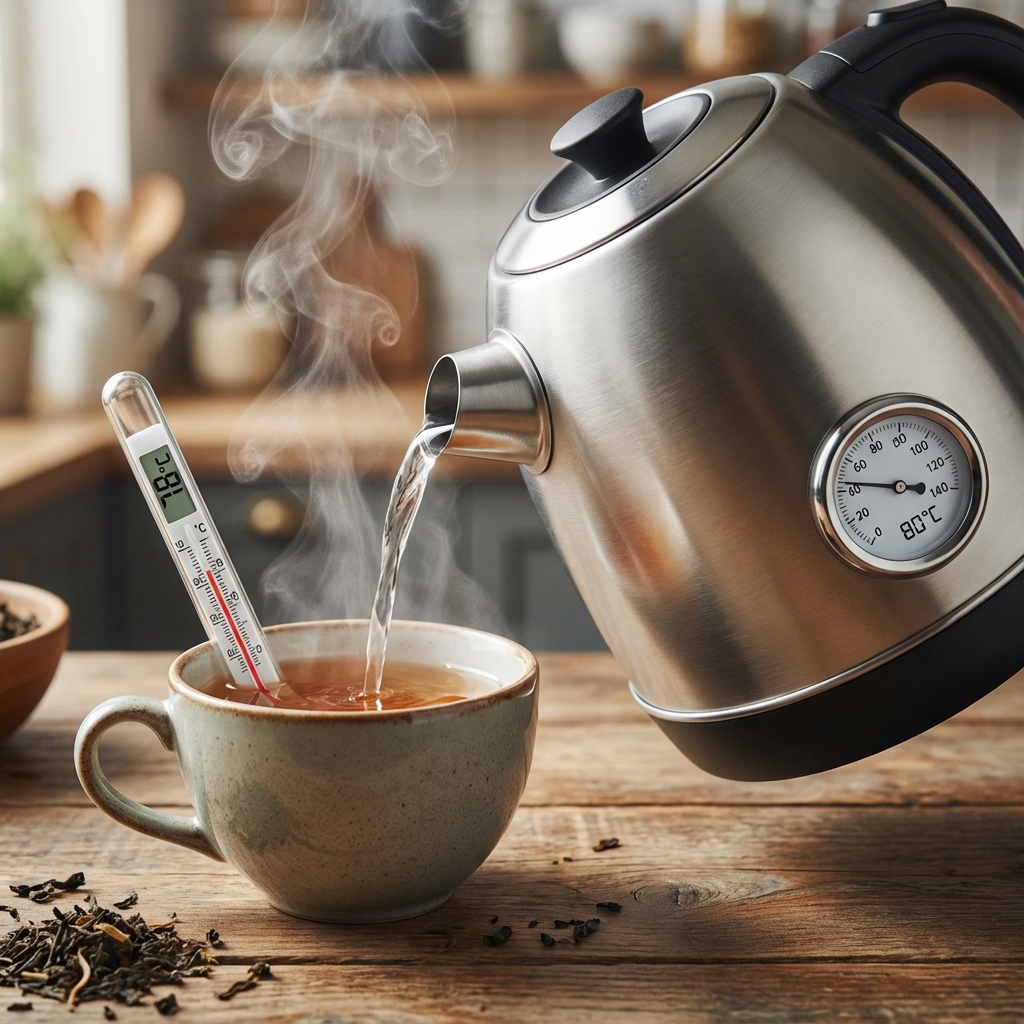
Temperature Matters: The Secret to Sweetness
Why does your green tea taste bitter? The answer might be in your kettle. Learn how water temperature unlocks the true potential of your tea leaves.
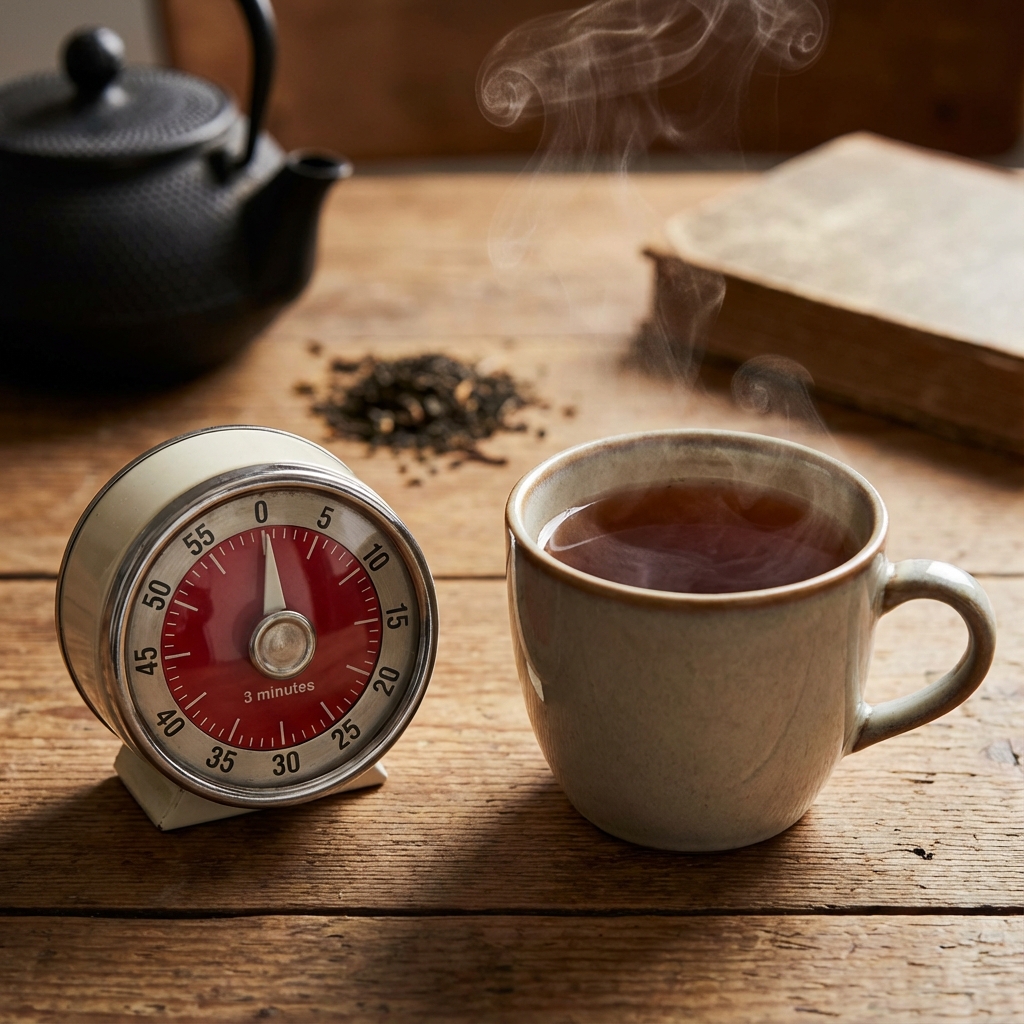
The Art of Tea Timing: Why Seconds Matter
Discover why precise timing is the secret ingredient to the perfect cup of tea, and how different teas demand different schedules.
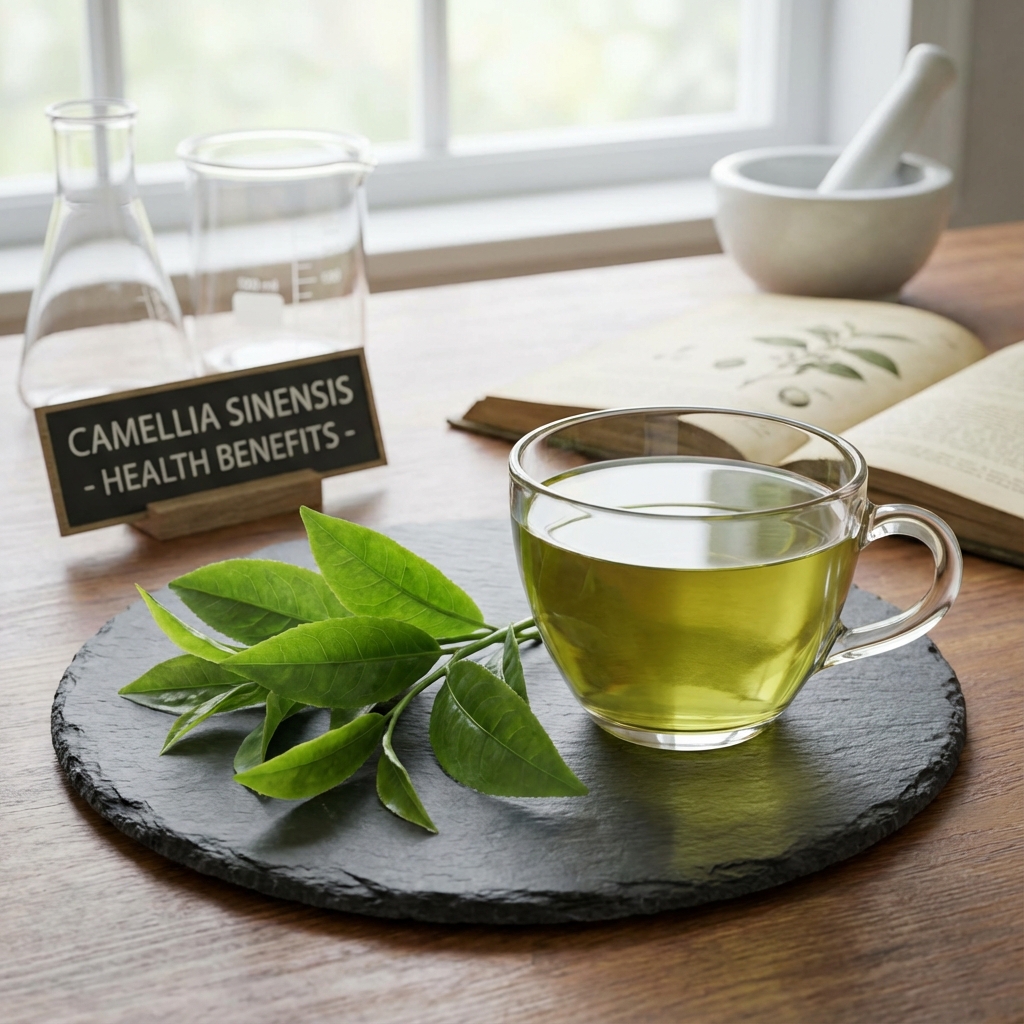
Health Benefits of Tea: What Science Actually Says
Discover the proven health benefits of tea, from antioxidants to heart health. Learn which teas offer the most benefits and how brewing affects nutrition.