Tea for Coders: The Ultimate Fuel for Deep Work

Every developer knows the loop: git commit, git push, drink coffee, repeat.
Caffeine is the unspoken dependency of the software industry. It powers late-night deployments, fuels hackathons, and jumpstarts our stand-ups. But for many of us, the "coffee loop" has a bug: the crash.
One minute you're riding the Ballmer Peak, typing at 100 WPM; the next, you're jittery, anxious, and staring blankly at a stack trace you wrote ten minutes ago.
Enter tea.
It's not just "hot leaf juice" (sorry, Uncle Iroh). It's a bio-hack for your brain that offers sustained focus without the runtime errors of coffee anxiety. Here is the refactored guide to caffeine for coders.
The Stack Trace: Key Compounds
To understand why tea works differently, we need to inspect the source code. Coffee is a simple script: high caffeine, fast execution. Tea is a more complex application.
1. Caffeine (The Driver)
Tea has caffeine, but typically less than coffee.
- Coffee: ~95mg/cup. Sudden spike.
- Green Tea: ~35mg/cup. Gentle ramp-up.
- Matcha: ~70mg/cup. Stronger, but sustained.
2. L-Theanine (The Middleware)
This is the game-changer. L-theanine is an amino acid found almost exclusively in tea plants. It crosses the blood-brain barrier and promotes alpha brain wave activity—the state associated with "relaxed alertness."
When combined with caffeine, L-theanine acts as a modulator. It smoothes out the jagged edges of the caffeine stimulant, preventing the jitters and the crash. Researchers call this "synergistic effect." Developers call it Flow State.
Choosing Your Loadout: Tea by Task
Just as you wouldn't use Python for an embedded system or C++ for a quick script, different teas have different use cases.
The "Bug Fixing" Brew: Matcha
Profile: High Caffeine + High L-Theanine Best For: Debugging, complex algorithm work, LeetCode grinding.
Matcha is the whole leaf ground into powder, so you get 100% of the compounds. It provides a sharp, clear focus that lasts for 4-6 hours. It’s essentially "extended release" caffeine.
Setup: Whisk 2g of matcha with 80°C water. Drink immediately.
The "System Architecture" Brew: Pu-erh
Profile: Moderate Caffeine + Fermented Complexity Best For: Long design sessions, refactoring legacy code, planning meetings.
Pu-erh is a fermented tea that is often aged like wine. It has a thick, earthy flavor and a notoriously grounding effect on the body. It keeps you awake but incredibly calm. Perfect for when you need to hold a complex system model in your head without distractions.
Setup: Gaiwan style. Rinse the leaves once, then do short 10-20 second steeps. Valid for 10+ re-steeps (perfect for an all-day coding marathon).
The "Deadline Crunch" Brew: Yerba Mate
Profile: High Caffeine + Theobromine Best For: Hackathons, shipping features before a holiday, 3 AM deploys.
Technically not a tea (it's a holly plant from South America), but it's an honorary member of the developer toolkit. It contains a powerhouse mix of caffeine, theobromine (found in chocolate), and theophylline. It hits hard like coffee but is generally gentler on the stomach.
Setup: Gourd and Bombilla. Keep refilling with hot water. Shared by many open-source communities (literally passed around).
The "Late Night Commit" Brew: Hojicha or Rooibos
Profile: Low/No Caffeine Best For: Side projects after work, open source contributions at night.
- Hojicha: Roasted green tea. The roasting process removes most of the caffeine. Toasty, comforting flavor.
- Rooibos: An herbal tea from South Africa. Zero caffeine. Sweet and nutty.
Great for when you want to code at 9 PM but still want to sleep at 11 PM.
Optimization: The Proper Workflow
Don't treat tea like instant coffee. It requires a slightly better build process.
- Temperature Matters: Don't burn your threads. Green tea needs cooler water (175°F / 80°C). Boiling water will make it bitter and undrinkable.
- Steep Time: Use a timer. Over-steeping releases tannins (bitter). Under-steeping misses the L-Theanine.
- Water Quality: Tea is 99% water. If your tap water tastes like chlorine, your tea will too. Use filtered water.
Conclusion
Switching to tea doesn't mean giving up your caffeine high; it means refactoring it for better performance. You get the focus without the anxiety, the energy without the crash.
Next time you're stuck on a hard problem, step away from the IDE, boil some water, and brew a cup of proper leaf. The solution often appears in the silence between sips.
// TODO: Buy yourself a nice teapot.
Related Articles
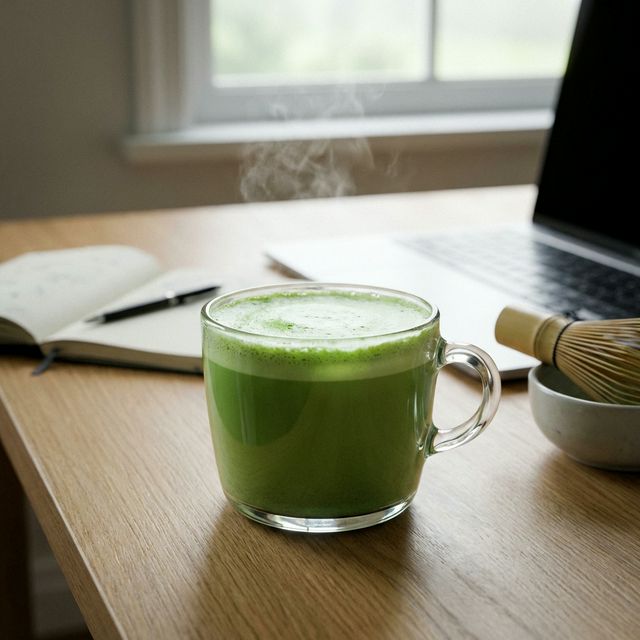
Tea for Mental Clarity: How L-Theanine Boosts Focus Without the Jitters
Discover why tea offers a superior productivity boost compared to coffee. Learn about the science of L-Theanine, alpha brain waves, and how to brew for the ultimate flow state.
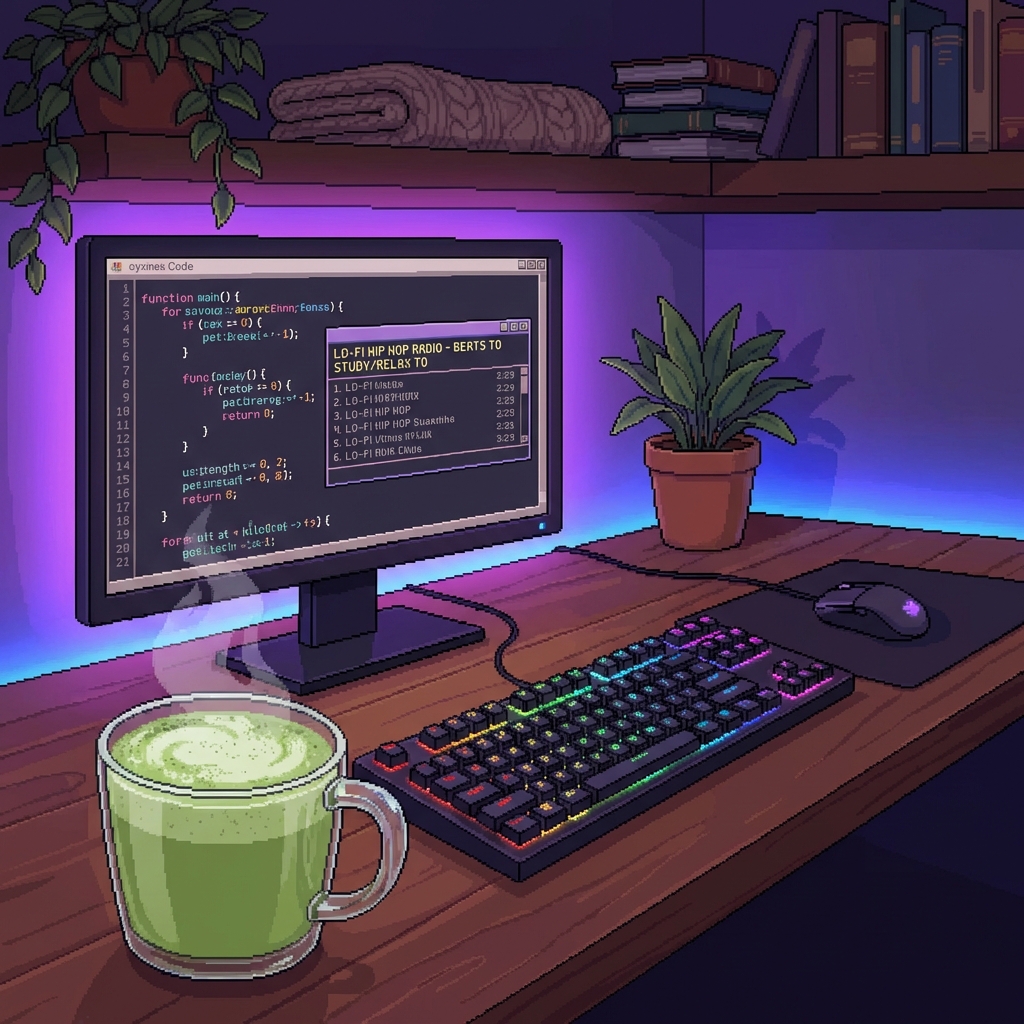
Tea for Gamers: Level Up Your Focus Without the Crash
Ditch the jittery energy drinks. Discover how tea can improve your reaction time, keep you calm in the clutch, and help you rank up.

Natural Energy: Best Caffeine-Free Teas for Focus and Alertness
Need to stay sharp without the jitters? Discover the best caffeine-free teas that boost focus, memory, and mental clarity naturally.