Tea vs Coffee: Which Is Better for You? A Complete Comparison
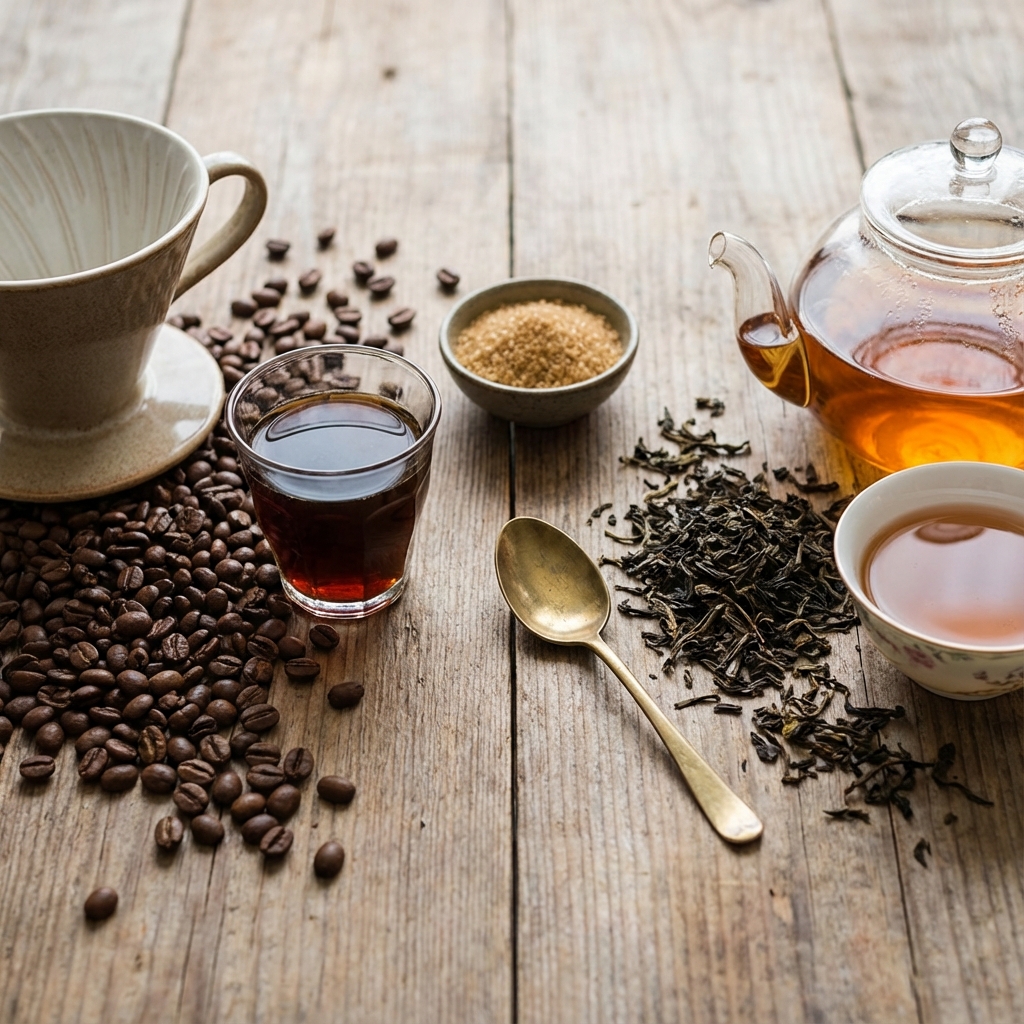
The age-old debate: tea or coffee? Both beverages have passionate devotees, rich histories, and proven health benefits. Whether you're considering making a switch or simply curious about how they compare, this comprehensive guide will help you understand the key differences between tea and coffee.
The Caffeine Question
Caffeine is often the deciding factor for many people choosing between tea and coffee. Let's break down the numbers:
Caffeine Content Per 8oz Cup
| Beverage | Caffeine (mg) |
|---|---|
| Espresso (1 shot) | 63 |
| Brewed Coffee | 80-100 |
| Black Tea | 40-70 |
| Green Tea | 25-45 |
| Oolong Tea | 30-50 |
| White Tea | 15-30 |
| Herbal Tea | 0 |
How Caffeine Affects You Differently
Here's something fascinating: tea and coffee deliver caffeine to your body in very different ways.
Coffee releases caffeine quickly, giving you a sharp energy spike followed by a potential crash. This is why many coffee drinkers experience jitters or anxiety.
Tea contains L-theanine, an amino acid that moderates caffeine absorption. This creates a gentler, more sustained energy boost without the jitters. Many people describe tea's effect as "calm alertness"—focused but not wired.
Health Benefits Compared
Both beverages offer impressive health benefits, but they work in different ways.
Tea's Health Benefits
- Rich in antioxidants: Green tea contains catechins, particularly EGCG, which has powerful anti-inflammatory properties
- Heart health: Regular tea consumption is linked to lower LDL cholesterol and reduced blood pressure
- Brain function: L-theanine improves focus and may protect against cognitive decline
- Metabolism support: Green tea has been shown to boost metabolic rate
- Hydration: Despite containing caffeine, tea is hydrating and counts toward daily fluid intake
- Stress reduction: The ritual of tea preparation and L-theanine's calming effects reduce cortisol
Coffee's Health Benefits
- High in antioxidants: Coffee is actually the largest source of antioxidants in the Western diet
- Mental performance: Improves reaction time, memory, and cognitive function
- Physical performance: Increases adrenaline and can improve athletic performance by 11-12%
- Liver health: Associated with lower risk of liver disease and cirrhosis
- Longevity: Studies link moderate coffee consumption to reduced all-cause mortality
The Verdict on Health
Both beverages are healthy choices when consumed in moderation. Tea may have a slight edge for those concerned about anxiety or sleep, while coffee provides a more potent antioxidant punch per cup.
Taste Profiles: A World of Difference
Coffee's Flavor Range
Coffee flavors typically fall within these categories:
- Bitter: The dominant note in most coffees
- Acidic: Brightness that can range from fruity to wine-like
- Roasted: Nutty, chocolatey, or caramelized notes
- Body: From thin and tea-like to thick and syrupy
Tea's Flavor Spectrum
Tea offers an incredibly diverse range of flavors:
- Green tea: Grassy, vegetal, sweet, marine
- Black tea: Malty, honey, dried fruit, robust
- Oolong: Floral, creamy, fruity, toasted
- White tea: Delicate, sweet, floral, subtle
- Pu-erh: Earthy, woody, smooth, complex
The flavor variety in tea is arguably greater than coffee, spanning from light and floral to deep and earthy—all from the same plant.
Brewing: Simplicity vs. Precision
Coffee Brewing
Coffee brewing has become increasingly complex with methods like pour-over, French press, AeroPress, and espresso. Variables include:
- Grind size
- Water temperature (195-205°F typically)
- Brew time
- Coffee-to-water ratio
- Bloom time
Tea Brewing
Tea brewing varies significantly by type but offers more forgiveness:
Black Tea: 200-212°F, 3-5 minutes Green Tea: 160-180°F, 2-3 minutes Oolong Tea: 180-200°F, 3-5 minutes White Tea: 160-185°F, 4-5 minutes
The key difference? Tea can be re-steeped. Quality loose-leaf tea can yield 3-7 steepings, each with evolving flavors. Coffee is one-and-done.
Cost Analysis
Initial Investment
- Basic coffee setup: $30-100 (French press or drip maker)
- Serious coffee setup: $200-2000+ (espresso machine, grinder)
- Basic tea setup: $15-50 (kettle, infuser, cups)
- Complete tea setup: $50-200 (temperature-controlled kettle, teapot, multiple cups)
Ongoing Costs
- Coffee: $10-20/lb for quality beans (yields ~40 cups)
- Tea: $5-30/oz for quality loose-leaf (yields 15-30 cups per ounce)
Tea generally offers better value, especially when you factor in multiple steepings from the same leaves.
Environmental Impact
Coffee's Footprint
- Requires tropical climates (often leading to deforestation)
- Higher water usage (140 liters per cup)
- Often involves long-distance shipping
- Single-use pods create significant waste
Tea's Footprint
- Can be grown in more diverse climates
- Lower water usage (30 liters per cup)
- Loose-leaf tea produces minimal waste
- Tea bags may contain microplastics (loose-leaf avoids this)
For the environmentally conscious, loose-leaf tea is the clear winner.
When to Choose Tea Over Coffee
Consider switching to tea if you:
- Experience coffee jitters or anxiety: Tea's L-theanine provides calm energy
- Want better sleep: Tea's gentler caffeine clears your system faster
- Prefer variety: Thousands of tea varieties to explore
- Have acid reflux: Tea is generally less acidic than coffee
- Want a meditation practice: Tea ceremonies offer mindful moments
- Are watching your budget: Tea offers more cups per dollar
When to Choose Coffee Over Tea
Stick with coffee if you:
- Need a quick, strong energy boost: Coffee delivers caffeine faster
- Love bold, bitter flavors: Coffee's intensity is unmatched
- Want maximum antioxidants per cup: Coffee leads here
- Prefer a simpler ritual: Coffee is more straightforward
- Need pre-workout fuel: Coffee's adrenaline boost helps performance
Making the Switch: Tips for Coffee Drinkers Trying Tea
If you're a coffee drinker curious about tea, here's how to transition:
Week 1: Start with Black Tea
Black tea is the closest to coffee in strength and flavor. Try Assam or English Breakfast with your morning routine.
Week 2: Explore Pu-erh
This aged Chinese tea has an earthy, complex flavor that many coffee drinkers love. It's also naturally lower in caffeine.
Week 3: Try Oolong
Oolong bridges the gap between black and green tea. Start with roasted varieties like Da Hong Pao for deeper flavors.
Week 4: Graduate to Green Tea
By now your palate is adjusting. Try Sencha or Dragon Well for a completely different tea experience.
Getting the Perfect Cup Every Time
The difference between mediocre and exceptional tea comes down to two things: temperature and timing. Steeping too long or too hot creates bitterness and masks the delicate flavors that make tea special.
This is where the Steep app becomes invaluable. With preset timers for every tea type and the ability to customize your brewing parameters, you'll never over-steep again. The Apple Watch integration means you can start your timer and go about your morning without watching the clock.
Download Steep on the App Store →
The Best of Both Worlds
Here's a secret: you don't have to choose. Many people enjoy:
- Coffee in the morning: For that initial wake-up boost
- Tea in the afternoon: For sustained focus without sleep disruption
- Herbal tea at night: For relaxation before bed
This approach gives you the benefits of both beverages while avoiding the downsides of too much of either.
Final Thoughts
Both tea and coffee are remarkable beverages with rich histories and genuine health benefits. Tea offers gentler caffeine, greater variety, and a more meditative experience. Coffee provides bold flavor, quick energy, and powerful antioxidants.
The best choice is the one that fits your lifestyle, taste preferences, and wellness goals. And if you're new to tea, there's never been a better time to start exploring—thousands of varieties await discovery.
Which team are you on? Perhaps it's time to experiment and find out.
Happy brewing!
Related Articles

Best Teas for Energy and Focus: Natural Alternatives to Coffee
Discover the top teas that boost energy and mental clarity without the jitters. Learn which teas enhance focus and how to brew them for maximum effect.
Health Benefits of Tea: What Science Actually Says
Discover the proven health benefits of tea, from antioxidants to heart health. Learn which teas offer the most benefits and how brewing affects nutrition.

Understanding Caffeine in Tea: A Complete Guide
Learn how much caffeine is in your tea, what factors affect it, and how to manage your intake for the perfect balance of energy and calm.