Understanding Caffeine in Tea: A Complete Guide
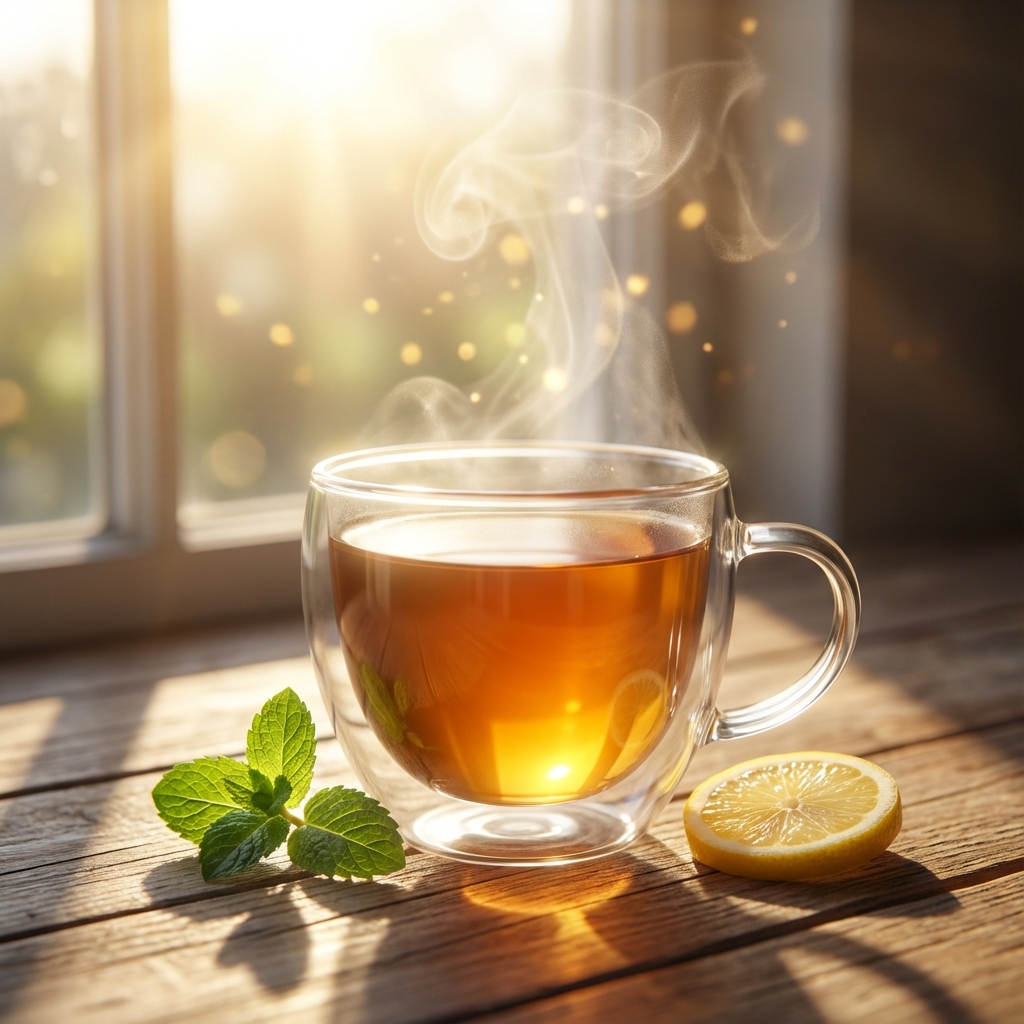
Caffeine in tea is one of the most misunderstood topics among tea drinkers. How much caffeine does your favorite tea really have? Is it more or less than coffee? And why does tea give you a different kind of energy boost? Let's explore everything you need to know about caffeine in tea.
How Much Caffeine is in Tea?
All true teas (from the Camellia sinensis plant) contain caffeine. Here's a general guide per 8 oz (240ml) cup:
- Black tea: 40-70 mg
- Oolong tea: 30-50 mg
- Green tea: 20-45 mg
- White tea: 15-30 mg
- Pu-erh tea: 30-70 mg
- Matcha: 60-80 mg (you consume the whole leaf)
For comparison, an 8 oz cup of coffee contains 80-100 mg of caffeine.
What Affects Caffeine Content?
The actual caffeine in your cup depends on several factors:
1. Tea Variety and Plant Part
Young tea buds and tips contain more caffeine than mature leaves. This is why high-quality teas made from buds (like Silver Needle white tea) can actually have more caffeine than lower-grade black teas made from larger leaves.
2. Steeping Time
Longer steep times extract more caffeine:
- 1 minute: About 20-25% of total caffeine
- 3 minutes: About 50-60% of total caffeine
- 5 minutes: About 70-80% of total caffeine
This means you can control your caffeine intake by adjusting your steep time!
3. Water Temperature
Hotter water extracts caffeine faster. This is why cold-brewed tea has less caffeine than hot-brewed - despite the longer steeping time, the cold water is less efficient at extraction.
4. Leaf Size and Processing
Broken leaves and tea bags release caffeine faster than whole leaves. CTC (cut-tear-curl) tea used in most tea bags will give you a quicker caffeine hit than loose leaf.
Tea vs Coffee: A Different Kind of Energy
Ever notice that tea gives you a gentler, more sustained energy boost than coffee? This isn't just imagination - it's chemistry.
The L-Theanine Effect
Tea contains an amino acid called L-theanine that coffee doesn't have. L-theanine:
- Promotes calm, focused alertness
- Reduces the jittery feeling from caffeine
- Extends the energy boost over a longer period
- Improves concentration without anxiety
The combination of caffeine and L-theanine creates what tea enthusiasts call "calm energy" - you're alert and focused, but relaxed and clear-headed.
Slower Absorption
Tea's polyphenols and other compounds slow down caffeine absorption in your body. This means:
- No sudden spike in energy
- Smoother, more gradual alertness
- Less dramatic crash when it wears off
Tips for Managing Your Tea Caffeine Intake
Want Less Caffeine?
- Choose white or green tea over black tea
- Steep for less time - try 1-2 minutes instead of 3-5
- Use cooler water - especially for green tea
- Try cold brewing - significantly reduces caffeine
- Drink the second steep - much of the caffeine comes out in the first brew
- Avoid tea buds - choose teas made from mature leaves
- Switch to herbal tea in the evening - zero caffeine!
Want More Caffeine?
- Choose black tea or matcha for the highest caffeine
- Steep longer - up to 5 minutes for maximum extraction
- Use boiling water - extracts caffeine efficiently
- Use more tea leaves - increase the ratio
- Choose tea bags or broken leaf - faster caffeine release
The "Caffeine Rinse" Myth
You may have heard that rinsing tea for 30 seconds removes most of the caffeine. Research shows this is false - a 30-second rinse only removes about 9% of the caffeine. To significantly reduce caffeine, you'd need to steep for several minutes, which also removes the flavor.
If you want low caffeine, choose naturally low-caffeine teas instead of trying to rinse it away.
Caffeine-Free Alternatives
If you're avoiding caffeine entirely, try:
- Herbal teas - chamomile, peppermint, rooibos, hibiscus
- Decaffeinated tea - processed to remove most caffeine
- Fruit infusions - naturally caffeine-free
Note that "decaf" tea still contains 2-5 mg of caffeine per cup - not truly zero.
When to Drink Different Teas
Here's a suggested schedule based on caffeine:
- Morning: Black tea or matcha - higher caffeine to start the day
- Midday: Oolong or green tea - moderate caffeine for sustained focus
- Afternoon: White tea or light green - gentle boost without evening disruption
- Evening: Herbal tea - caffeine-free for relaxation
Most experts recommend avoiding caffeine 6 hours before sleep.
Using Steep for Caffeine Control
The Steep app helps you manage your caffeine intake by providing precise timing for each tea type. Want less caffeine? Set a shorter timer. Need more energy? The app guides you to optimal extraction times.
Download Steep on the App Store →
Key Takeaways
- All true tea contains caffeine, but less than coffee
- L-theanine gives tea a unique "calm energy" effect
- Steeping time and temperature affect caffeine extraction
- You can control your intake by adjusting brewing parameters
- Herbal teas are the only truly caffeine-free option
Understanding caffeine in tea empowers you to customize your tea experience - whether you want a morning boost or a gentle afternoon refresher.
Happy brewing!
Related Articles
Best Teas for Energy and Focus: Natural Alternatives to Coffee
Discover the top teas that boost energy and mental clarity without the jitters. Learn which teas enhance focus and how to brew them for maximum effect.
Tea vs Coffee: Which Is Better for You? A Complete Comparison
Discover the health benefits, caffeine levels, and taste differences between tea and coffee. Find out which beverage suits your lifestyle best.
Health Benefits of Tea: What Science Actually Says
Discover the proven health benefits of tea, from antioxidants to heart health. Learn which teas offer the most benefits and how brewing affects nutrition.