Sencha
Japan · Shizuoka
Quick Brewing Summary
Water Temperature
70°C
158°F
Steep Time
1:30
min:sec
Water Amount
200 ml
7 oz
Leaf Amount
4 g
2 tsp
What Is Sencha?
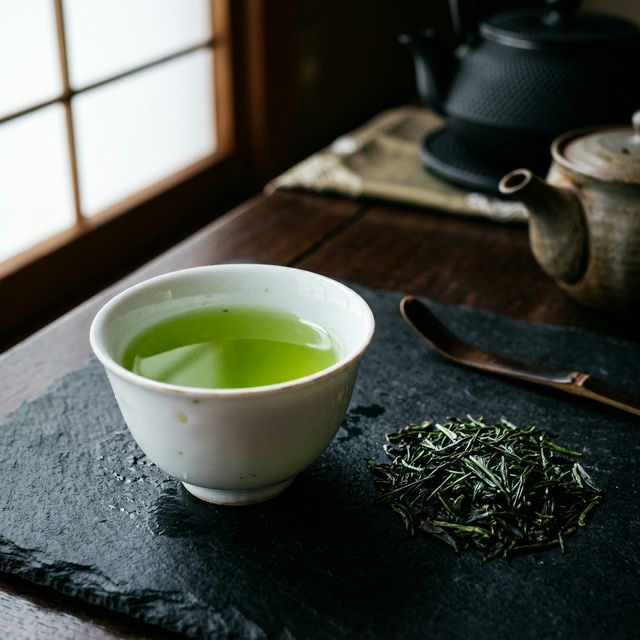
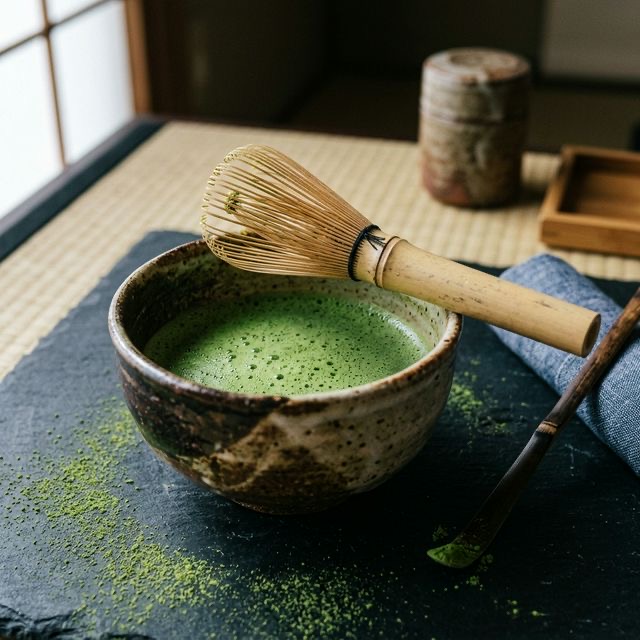
Sencha is the most widely consumed tea in Japan, accounting for roughly 80% of all tea produced in the country. Unlike matcha, which is ground into a powder, or gyokuro, which is shade-grown for weeks before harvest, sencha is made from tea leaves that are grown in full sunlight and then steamed, rolled, and dried. This straightforward processing method preserves the leaf's vibrant green color and produces a clean, refreshing cup that has become synonymous with everyday Japanese tea culture.
Origin and Production
The heartland of sencha production is Shizuoka Prefecture, located along Japan's Pacific coast between Tokyo and Nagoya. Shizuoka's mild climate, fertile volcanic soil, and misty mountain slopes create ideal conditions for growing Camellia sinensis. Other notable growing regions include Kagoshima in the south and Uji in Kyoto Prefecture, each contributing subtle regional differences in flavor.
After harvest, sencha leaves are quickly steamed to halt oxidation — a step that distinguishes Japanese green teas from their Chinese counterparts, which are typically pan-fired. The steaming time matters: standard sencha (futsuumushi) receives about 30 to 60 seconds of steam, while deep-steamed sencha (fukamushi) is steamed for 60 to 120 seconds, yielding a richer, more full-bodied brew with less astringency. After steaming, the leaves are rolled into their characteristic needle-like shape and dried to lock in flavor.
Flavor Profile
A well-brewed cup of sencha strikes a balance between savory and sweet. The first sip delivers a fresh, grassy note — often compared to the scent of a spring meadow — followed by a pleasant vegetal quality and a lingering umami richness. Depending on the cultivar and harvest timing, you may also detect hints of seaweed, sweet corn, or fresh-cut green beans. First-harvest sencha (shincha or ichibancha), picked in late April or May, is considered the most prized, offering the sweetest and most nuanced flavor of the year.
Caffeine Content
Sencha contains a moderate amount of caffeine, typically 20 to 30 milligrams per cup when brewed at the recommended lower temperature. This is roughly half the caffeine found in a standard cup of black tea and about a quarter of a cup of coffee. However, sencha also contains L-theanine, an amino acid that promotes calm focus without the jittery energy spike associated with coffee. The combination of moderate caffeine and L-theanine makes sencha an excellent choice for sustained concentration throughout the day.
How to Enjoy Sencha
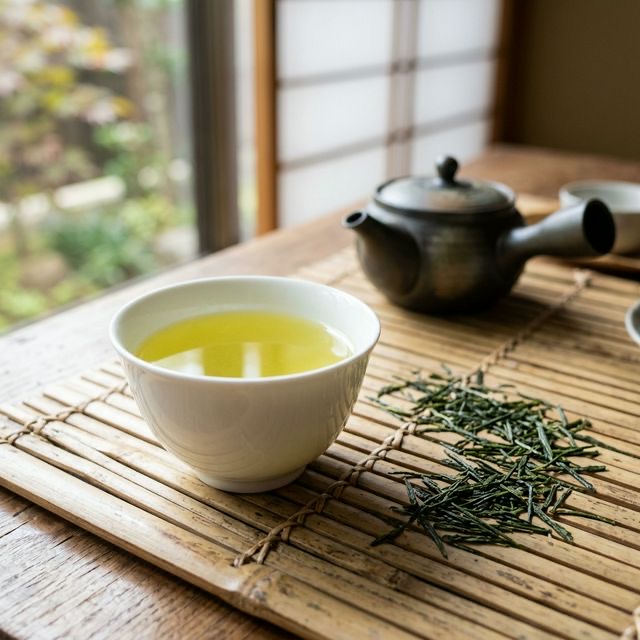
Sencha is best enjoyed on its own, without milk or sweeteners, to appreciate its delicate flavor. In Japan, it is served throughout the day — with meals, during work breaks, and when welcoming guests. Pour it into small cups (yunomi) and savor it slowly. Pair sencha with light Japanese snacks such as rice crackers, mochi, or fresh fruit. Its clean, palate-cleansing quality also makes it an ideal companion for sushi and other seafood dishes. Whether you are new to loose-leaf tea or a seasoned enthusiast, sencha is one of the most rewarding and approachable teas to explore.
Health Benefits
- Rich in catechins and antioxidants
- Supports metabolism and energy
- Promotes mental alertness via L-theanine
- May support cardiovascular health
Brew this tea with Steep
Get precise brewing timers, temperature guides, and multi-steep support for Sencha and dozens more teas.
App Store