Sheng Puerh
China · Yunnan
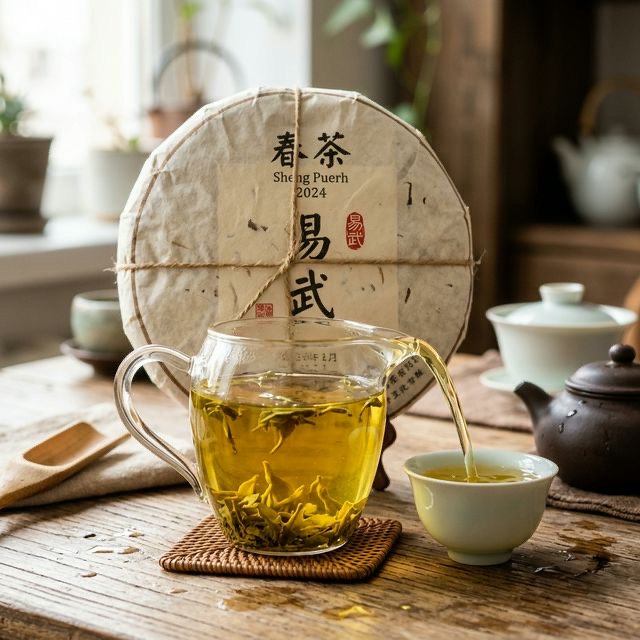
Quick Brewing Summary
Water Temperature
95°C
203°F
Steep Time
0:15
min:sec
Water Amount
150 ml
5 oz
Leaf Amount
7 g
3 tsp
What Is Sheng Puerh?
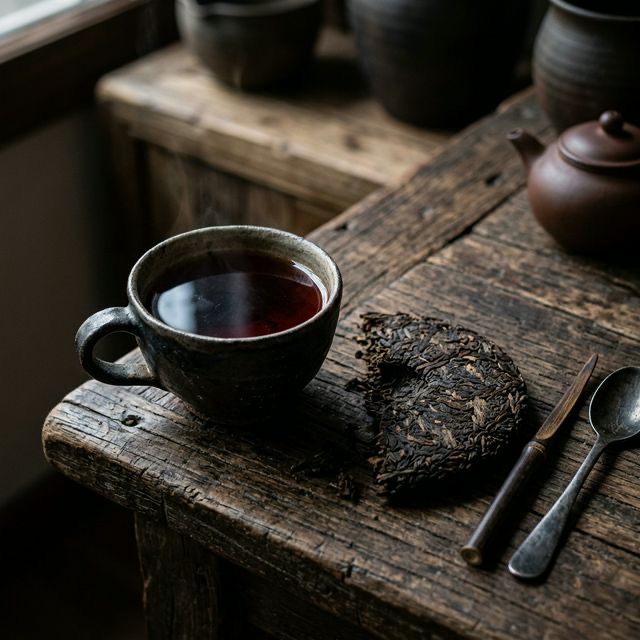
Sheng puerh (raw puerh) is a living tea — one that changes and deepens with every passing year. Produced exclusively in Yunnan Province, China, from the broad-leaf Camellia sinensis var. assamica, sheng puerh is minimally processed, compressed into cakes or bricks, and then left to age naturally over years or even decades. It is the original form of puerh tea, predating the accelerated shou (ripe) method by centuries. Among serious tea collectors and enthusiasts, aged sheng puerh is considered one of the most prized and complex beverages in the world — often compared to fine wine for its capacity to evolve in storage.
Origin and History
Puerh tea takes its name from the city of Pu'er in southern Yunnan, which served as the historic trading hub where tea was consolidated and shipped along the ancient Tea Horse Road to Tibet, Southeast Asia, and beyond. For centuries, tea from Yunnan's mountain villages was sun-dried, steamed, and compressed into bricks and cakes for practical transport on horseback and camel caravans. Over the long journey, the tea naturally fermented, and the recipients grew to prize the resulting aged flavor. This happy accident of time and transportation laid the foundation for puerh as a deliberately aged tea.
Today, the most sought-after sheng puerh comes from old-growth tea trees (gushu) in famous mountain regions such as Yiwu, Menghai, Laobanzhang, and Bingdao. Trees that are several hundred years old produce leaves with extraordinary depth and mineral complexity, and cakes from these origins command premium prices that rival aged Burgundy wines.
Flavor Profile
The character of sheng puerh depends enormously on its age. Young sheng (less than five years old) is vibrant, assertive, and sometimes brashly astringent. Expect bright green or golden liquor with bold notes of fresh vegetation, apricot, floral honey, and a pronounced bitterness that transforms into a sweet aftertaste (huigan) in the back of the throat. Well-made young sheng has a powerful energy that seasoned drinkers call "cha qi."
With age, the transformation is remarkable. As microbial activity slowly breaks down and restructures the leaf over decades, the astringency and bitterness recede, replaced by a spectrum of flavors that can include dried plum, camphor, leather, aged wood, mushroom, and a deep, honeyed sweetness. A 20- or 30-year-old sheng puerh bears almost no resemblance to its youthful self — it is a gentler, more meditative tea with extraordinary complexity.
Aging Like Wine
Sheng puerh is one of very few teas that genuinely improves with age, and collecting it has become a passionate pursuit for tea enthusiasts worldwide. Proper storage is critical: the ideal environment is clean, dry, well-ventilated, and free from strong odors, with moderate humidity (60-75%) and stable temperatures. Humid tropical climates (such as Hong Kong, Guangzhou, or Malaysia) accelerate aging, producing what is called "wet-stored" puerh with earthier, deeper flavors. Drier climates slow the process, preserving more of the tea's original character over a longer timeline. Both storage styles have devoted followings.
Caffeine Content
Sheng puerh is a high-caffeine tea, typically delivering 30 to 70 milligrams per cup depending on leaf age, brewing method, and steep duration. Young sheng in particular can feel intensely stimulating, with a focused, alert energy that many drinkers attribute to the combination of caffeine, L-theanine, and the unique biochemistry of old-growth tea trees. This potent energy is part of what makes sheng puerh so compelling — and why many drinkers prefer it earlier in the day.
How to Enjoy Sheng Puerh
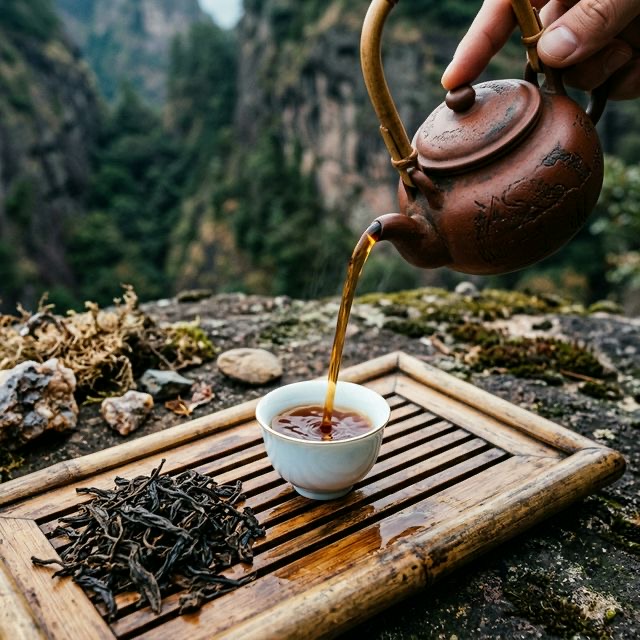
Sheng puerh is best explored through gongfu brewing, which allows you to experience the tea's evolution across many infusions. Start with young, accessible cakes to develop your palate, then gradually explore aged or premium mountain-origin teas. Drink it without additions to appreciate the full spectrum of flavor. Pair it with simple, neutral foods — plain rice, mild cheese, or light crackers — so the tea takes center stage. For collectors, the joy extends beyond the cup: selecting cakes, monitoring their aging, and sharing a well-aged tea with friends is a deeply rewarding ritual.
Health Benefits
- Exceptionally rich in catechins and polyphenols when young
- Microbial fermentation during aging may support gut health
- Traditionally valued for aiding digestion and fat metabolism
- High caffeine and L-theanine promote sustained alertness
Brew this tea with Steep
Get precise brewing timers, temperature guides, and multi-steep support for Sheng Puerh and dozens more teas.
App Store